
Insurance After Breathalyzer Refusal — Arkansas
Free to compare
Your License Is Suspended Before the Court Date
You refused the breathalyzer during the traffic stop. The trooper handed you a notice stating your Arkansas driver's license is suspended effective immediately. No trial. No conviction. The administrative suspension period is 180 days — six full months — triggered by refusal alone under Arkansas implied consent law (Ark. Code Ann. § 5-65-202). This administrative penalty runs independently of any criminal DWI case the prosecutor files.
Most drivers do not realize Arkansas separates the administrative track from the criminal track. The Arkansas Department of Finance and Administration (DFA) Office of Driver Services handles the administrative suspension. The circuit court handles the criminal DWI charge. Even if your attorney gets the DWI dropped or wins at trial, the 180-day administrative suspension for refusal stands unless you successfully challenge it within 30 days of the stop. That window is narrow and the standard is high.
“Arkansas does not count time served during suspension toward the three-year SR-22 requirement — the clock starts on reinstatement day.”

Compare Arkansas Rates for Drivers With a DUI
Get My Arkansas DUI Insurance Quote180 days
Arkansas Refusal Suspension
First-time breathalyzer refusal carries a mandatory 180-day administrative license suspension under Arkansas Code § 5-65-202. This is longer than the typical 6-month DWI suspension for first offense, and it starts immediately — not after conviction.
Arkansas Code Annotated § 5-65-202
SR-22 Filing Is Required for Reinstatement
Arkansas treats breathalyzer refusal as a financial responsibility violation. You must file SR-22 with DFA to prove continuous insurance coverage for three years after reinstatement. The SR-22 is not optional. Without the filing on record, DFA will not lift the suspension even if you complete the 180-day penalty period, pay the $150 reinstatement fee, and satisfy all other conditions.
The SR-22 filing itself costs $25–$50 through most carriers. The real cost is the insurance premium underneath it. Carriers classify refusal as a major violation — equivalent to DWI in risk scoring — because Arkansas law presumes refusal indicates impairment. Expect premiums between $450 and $750 per month for full liability coverage with SR-22 endorsement. Non-owner SR-22 policies (for drivers without a vehicle) run $150–$250 per month.
You must maintain the SR-22 continuously for three years. If your carrier cancels the policy or you let coverage lapse, the carrier notifies DFA electronically and your license is re-suspended immediately. Reinstating after a lapse costs another $150 fee plus whatever gap in the three-year clock the lapse created.

Arkansas does not count time served during suspension toward the three-year SR-22 requirement — the clock starts on reinstatement day, not refusal day.


Hardship License Eligibility After Refusal
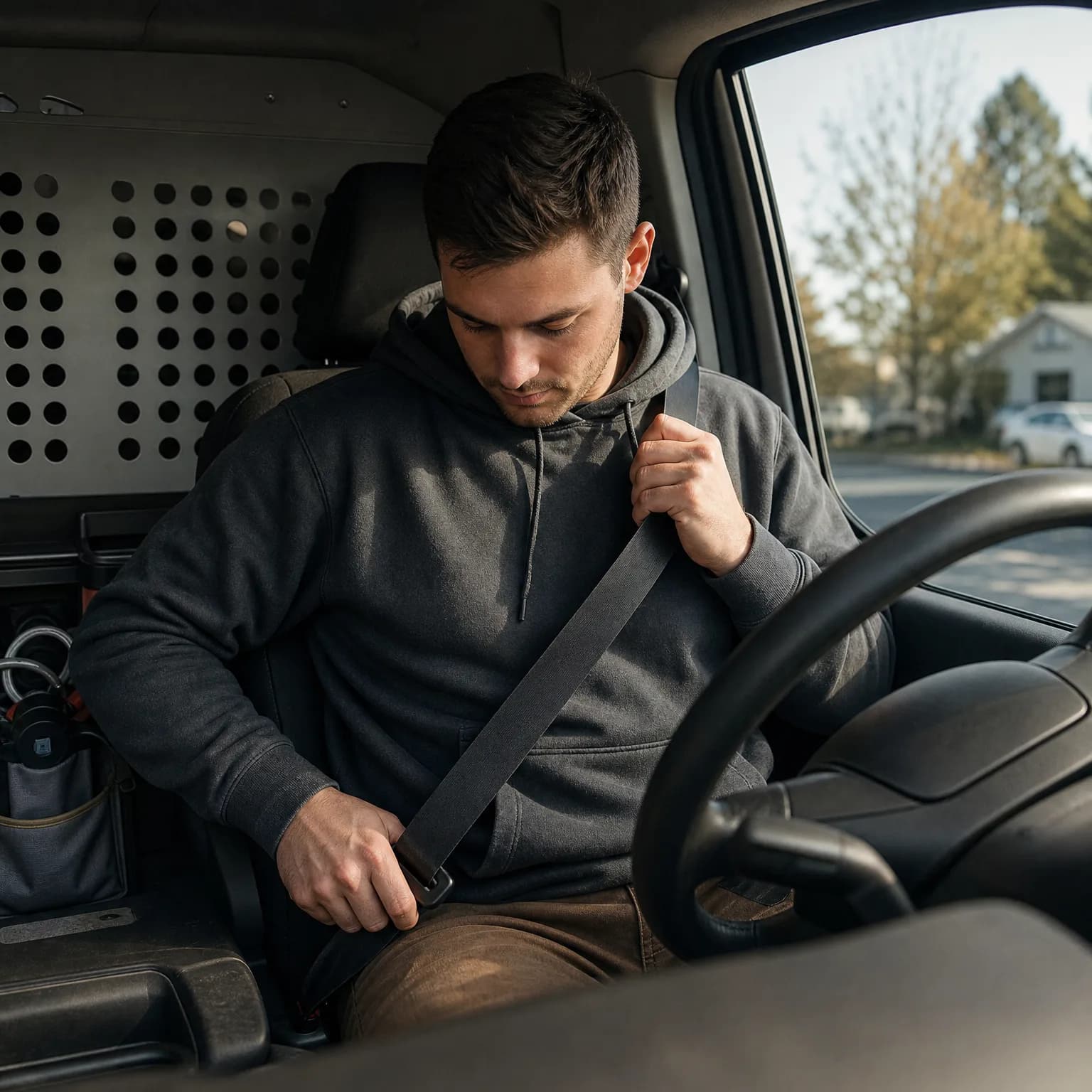
Arkansas allows drivers suspended for breathalyzer refusal to petition for a Restricted Hardship License through the circuit court. This is not automatic. You must file a formal petition with the court, demonstrate hardship (employment, medical necessity, school enrollment), provide proof of SR-22 insurance already on file with DFA, and appear before a judge who has discretion to approve or deny the request.
The court sets the specific restrictions: approved driving routes, permitted hours, and allowed purposes. Most hardship orders restrict driving to employment, medical appointments, court-ordered obligations, and sometimes school. The court will also require ignition interlock device (IID) installation as a condition of the hardship license. Arkansas law mandates IID for DWI-related suspensions, and refusal cases fall under this mandate even without a criminal conviction.
IID installation costs $75–$150 upfront, plus $75–$100 per month in monitoring and calibration fees. The device stays in place for the full suspension period or until the judge lifts the restriction. Driving outside the court-approved restrictions or failing an IID test results in immediate revocation of the hardship license and extension of the suspension period. DFA receives IID violation reports electronically and acts without additional court proceedings.
The petition process itself takes 30 to 60 days from filing to hearing. Most drivers hire an attorney to draft the petition and appear at the hearing; legal fees range from $1,000 to $2,500 depending on complexity. You cannot apply for a hardship license until you secure SR-22 coverage and the carrier files with DFA — the court requires proof of active filing before scheduling your hearing.
$450–$750/mo
Arkansas Refusal Premium Range
Full liability coverage with SR-22 endorsement after breathalyzer refusal costs $450 to $750 per month in Arkansas. Non-owner SR-22 policies (no vehicle covered) run $150 to $250 per month. Rates reflect carrier risk models that treat refusal as equivalent to DWI conviction.
Carrier rate filings, Arkansas Department of Insurance
Reinstatement Process and Timing
At the end of the 180-day suspension, you must complete four steps before DFA reinstates your license. First, secure SR-22 coverage and confirm the carrier filed electronically with DFA. Second, complete a state-approved Alcohol and Drug Safety Education Program (ADSEP) — this is a multi-session course required for all refusal cases, costing $300 to $450 and taking 10 to 20 hours to complete. Third, pass a written knowledge retest at an Arkansas Revenue Office testing location. Fourth, pay the $150 reinstatement fee to DFA.
DFA does not process reinstatements until all four conditions are satisfied. If you complete ADSEP but delay the SR-22 filing, your suspension continues past the 180-day mark. The suspension does not automatically lift on day 181 — reinstatement is a manual process you initiate by submitting proof of compliance and payment to DFA Driver Services.
Get SR-22 Coverage Before Your Reinstatement Window
You cannot reinstate without active SR-22 on file. Carriers need 24 to 72 hours to process the filing and transmit it to DFA electronically. Waiting until the last day of your suspension creates a gap — DFA will not reinstate until the filing appears in their system, and processing delays push your reinstatement date out by days or weeks. Start shopping for SR-22 coverage 30 days before your suspension ends to avoid this bottleneck.
Arkansas DUI Insurance connects drivers suspended for breathalyzer refusal with carriers writing SR-22 policies statewide. Compare quotes from Progressive, Geico, Bristol West, Dairyland, and The General in one session. All carriers on the platform file electronically with Arkansas DFA and specialize in refusal cases. Get your SR-22 quote now and lock in coverage before your reinstatement window opens.
What Carriers Write SR-22 After Refusal
Progressive, Geico, and Bristol West dominate the Arkansas SR-22 market for refusal cases. Progressive and Geico write standard-tier policies with SR-22 endorsement; monthly premiums for liability-only coverage typically range from $450 to $650. Bristol West specializes in non-standard risk and prices slightly higher — $550 to $750 per month — but accepts refusal cases other carriers decline. All three file SR-22 electronically with Arkansas DFA the same business day you bind coverage.
Dairyland, The General, GAINSCO, and Direct Auto write non-owner SR-22 policies for drivers who do not own a vehicle. Non-owner policies satisfy Arkansas reinstatement requirements and cost significantly less — $150 to $250 per month. The General and GAINSCO have physical agent locations in Little Rock, Fort Smith, and Fayetteville. Dairyland and Direct Auto operate online with immediate quote and bind capability. Non-owner SR-22 does not cover a vehicle you drive regularly; it only satisfies state filing requirements.
Get Your Free Quote
Get My Arkansas DUI Insurance QuoteFrequently Asked Questions
Do I need SR-22 if my DWI charge gets dismissed after refusing the breathalyzer?
Yes. Arkansas separates the administrative refusal suspension from the criminal DWI case. Even if the prosecutor drops the DWI charge or you win at trial, the 180-day administrative suspension for refusal stands and SR-22 filing remains a reinstatement condition. The DFA suspension is independent of court outcomes.
How much does SR-22 insurance cost in Arkansas after breathalyzer refusal?
Full liability coverage with SR-22 endorsement costs $450 to $750 per month in Arkansas after refusal. Non-owner SR-22 policies for drivers without a vehicle cost $150 to $250 per month. Rates reflect carrier risk models that treat refusal as equivalent to DWI conviction.
Can I get a hardship license in Arkansas while suspended for breathalyzer refusal?
Yes, but you must petition the circuit court, prove hardship, provide proof of SR-22 filing already on record with DFA, and accept ignition interlock device installation as a condition. The court has discretion to approve or deny your petition. The process takes 30 to 60 days from filing to hearing.
How long does the SR-22 requirement last after breathalyzer refusal in Arkansas?
Three years from your reinstatement date. Arkansas does not count time served during the suspension toward the three-year SR-22 clock. If your coverage lapses at any point during the three years, DFA re-suspends your license immediately and the clock resets.
What happens if I let my SR-22 policy lapse in Arkansas?
Your carrier notifies Arkansas DFA electronically within 24 hours of cancellation or non-payment. DFA suspends your license immediately — no grace period, no warning letter. Reinstating after a lapse costs another $150 fee, and the three-year SR-22 clock resets from the new reinstatement date.
Do I need to install an ignition interlock device after breathalyzer refusal?
Yes, if you petition for a Restricted Hardship License. Arkansas law requires ignition interlock installation for all DWI-related suspensions, and refusal cases fall under this mandate even without a criminal conviction. The device costs $75–$150 to install plus $75–$100 per month in monitoring fees.
When should I start shopping for SR-22 coverage in Arkansas?
At least 30 days before your 180-day suspension ends. Carriers need 24 to 72 hours to process the SR-22 filing and transmit it electronically to DFA. Waiting until the last day creates a gap — DFA will not reinstate your license until the filing appears in their system.